The Clean Energy Legislation (Carbon Tax Repeal) Bill 2013 and other related Bills passed the House of Representatives on 21 November 2013 with no amendments. While this is not an unusual occurrence, what is notable is that Opposition amendments to the package of bills were not debated during the consideration-in-detail stage.

Showing posts with label constitution. Show all posts
Showing posts with label constitution. Show all posts
November 27, 2013


June 12, 2012
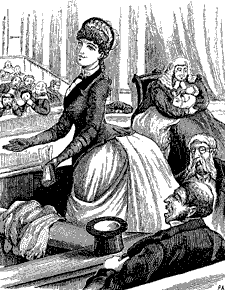
110th anniversary of the Commonwealth Franchise Act 1902
 |
| Image source: Wikimedia Commons |
January 11, 2012
Local government: the road to Constitutional recognition
 |
| Source: Parliamentary Education Office |

An independent Expert Panel on Constitutional Recognition of Local Government was appointed in April 2011 by the federal government. Headed by NSW Chief Justice the Hon. James Spigelman AC QC, the panel circulated a discussion paper and conducted community consultation releasing their final report on 22 December 2011. This post will discuss findings and conclusions from the panel's final report.
November 15, 2011
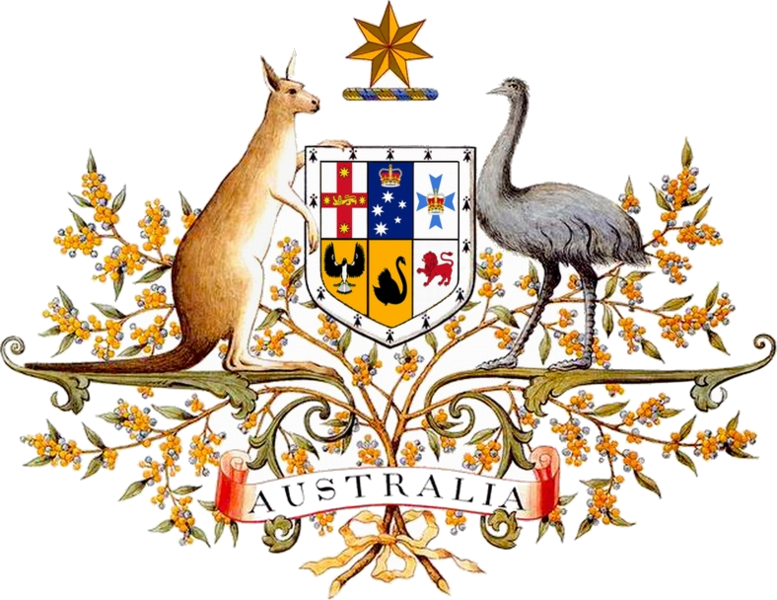
Queen's visit revives republican debate
 |
| Source: Wikimedia Commons |

February 4, 2011
Local government and the Commonwealth
A recent Parliamentary Library paper on Local government and the Commonwealth: an evolving relationship follows the historical development of this relationship and explores some contemporary issues such as constitutional recognition.
Local governments in Australia have been established since the nineteenth century. Each state and the Northern Territory has a system of local government established under their respective legislation. The growth in local government activity since 1945 has encouraged local authorities to seek increasing subsidies from the Commonwealth government. Because local government is not mentioned in the Australian Constitution the Commonwealth government has generally been compelled to provide subsidies to local government indirectly: that is through the states. The Commonwealth government’s involvement with local government has increased markedly since Prime Minister Gough Whitlam showed unprecedented interest during the 1970s.
Local governments in Australia have been established since the nineteenth century. Each state and the Northern Territory has a system of local government established under their respective legislation. The growth in local government activity since 1945 has encouraged local authorities to seek increasing subsidies from the Commonwealth government. Because local government is not mentioned in the Australian Constitution the Commonwealth government has generally been compelled to provide subsidies to local government indirectly: that is through the states. The Commonwealth government’s involvement with local government has increased markedly since Prime Minister Gough Whitlam showed unprecedented interest during the 1970s.
November 23, 2010
Constitutional recognition of Indigenous people
During the course of the election campaign both major parties made announcements about constitutional recognition of Indigenous people. The Coalition promised to hold a referendum at the 2013 election on the wording of a preamble in the Constitution to recognise Indigenous Australians, and the ALP promised to set up an expert panel to build support for the constitutional recognition of Indigenous people.
Subscribe to:
Posts (Atom)